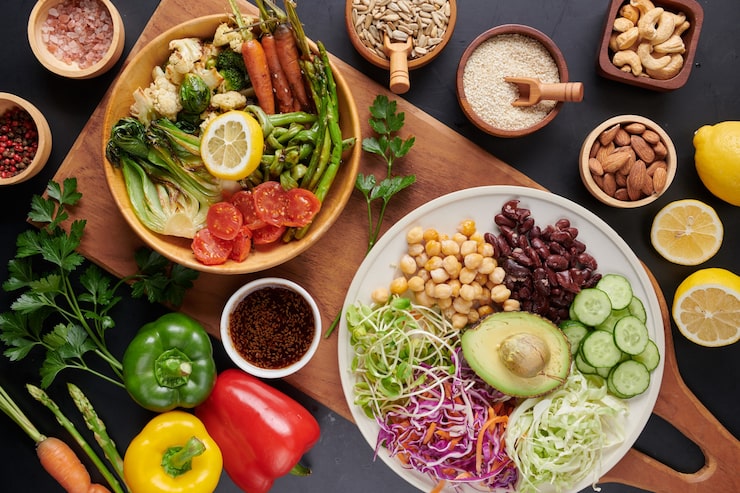

Plant‑based nutrition is rapidly gaining popularity in India as more people seek healthier lifestyles and sustainable food choices. This approach emphasizes whole, minimally processed foods derived from plants—fruits, vegetables, grains, nuts, and legumes—while minimizing or eliminating animal products.
India’s rich tradition of vegetarian cuisine provides a strong foundation for plant‑based nutrition, yet modern awareness and scientific validation have accelerated this trend beyond cultural practice. Influential nutritionists like Rujuta Diwekar and physicians such as Dr. Michael Greger advocate for plant‑based diets for their profound health benefits.
In this article, we explore the current state of plant‑based nutrition in India, its advantages, cultural integration, and the key players shaping this transformative movement in 2025.
Understanding Plant‑Based Nutrition and Its Benefits
At its core, plant‑based nutrition focuses on consuming foods that come primarily from plants. It’s not merely vegetarianism or veganism; rather, it prioritizes nutrient-dense, fiber-rich, and antioxidant-packed foods to promote optimal health.
Scientific studies consistently show that plant‑based diets reduce the risk of chronic diseases such as diabetes, heart disease, and certain cancers. This is especially relevant in India, where lifestyle diseases are on the rise due to changing eating habits and urbanization.
Rujuta Diwekar, a renowned Indian nutritionist, emphasizes that plant‑based nutrition helps maintain weight, improve digestion, and enhance energy levels when practiced mindfully. According to her, traditional Indian foods like dals (lentils), millets, and fresh vegetables align perfectly with plant‑based principles.
Additionally, Dr. Michael Greger, an advocate of evidence-based nutrition, highlights how plant‑based diets provide essential vitamins, minerals, and phytochemicals that support immune function and longevity.
The Rise of Plant‑Based Nutrition in Urban India
Urban centers such as Mumbai, Delhi, and Bangalore have witnessed a surge in plant‑based nutrition adoption. Increasing health awareness, social media influence, and availability of plant‑based products are driving this growth.
Restaurants and cafes now offer dedicated vegan and plant‑based menus, catering to evolving consumer preferences. Brands like Good Dot and Veeba have launched innovative plant-based alternatives mimicking meat and dairy products, making the transition easier for many.
Social media influencers and celebrities, including Dia Mirza, openly promote plant‑based nutrition, further normalizing this lifestyle. Their stories often blend personal health journeys with sustainable living, resonating strongly with young audiences.
Integrating Traditional Indian Cuisine with Modern Plant‑Based Nutrition
One of the strengths of plant‑based nutrition in India is its compatibility with the country’s culinary heritage. Dishes like rajma (kidney beans curry), chana masala (chickpea curry), and vegetable pulao exemplify wholesome plant‑based meals enjoyed for generations.
Nutritionists advise focusing on balanced meals combining proteins from legumes, carbohydrates from whole grains, and healthy fats from nuts and seeds. Incorporating spices such as turmeric, cumin, and coriander not only adds flavor but also provides anti-inflammatory benefits.
While plant‑based nutrition promotes minimal processed foods, modern innovations have introduced convenient options like plant-based protein powders and ready-to-eat meals, helping busy urban professionals maintain their diet without compromising nutrition.
Environmental Impact and Sustainability of Plant‑Based Nutrition in India
Beyond personal health, plant‑based nutrition addresses global environmental concerns. India, as a rapidly developing nation, faces challenges related to water scarcity, greenhouse gas emissions, and land use.
Studies suggest that shifting towards plant‑based diets can significantly reduce the environmental footprint of food production. Producing plant foods typically requires fewer natural resources than animal farming.
Organizations like the Centre for Science and Environment (CSE) in India actively promote sustainable dietary practices, advocating for plant‑based nutrition as a pathway to combat climate change and conserve biodiversity.
Consumers increasingly recognize that their food choices can contribute to sustainability, driving demand for plant‑based products and ethical sourcing.
Challenges and Solutions for Plant‑Based Nutrition Adoption in India
Despite its benefits, adopting plant‑based nutrition faces hurdles. Cultural attachment to traditional meals with dairy and meat, misinformation about protein sources, and limited accessibility in rural areas remain challenges.
Dr. Shikha Sharma, a pioneer in integrative nutrition in India, notes that education plays a vital role in dispelling myths and guiding people towards balanced plant‑based diets. She encourages gradual transition rather than abrupt dietary shifts, emphasizing personalization based on individual needs.
Government initiatives and NGOs are also working to increase awareness and improve availability of plant‑based foods across diverse socioeconomic groups.
The Future of Plant‑Based Nutrition in India
As India’s healthcare and food industries evolve, plant‑based nutrition is poised to play an increasingly important role. Advances in food technology, such as lab-grown meat and enhanced plant proteins, will expand choices.
Nutritionists and health experts foresee greater integration of plant‑based nutrition into public health guidelines, corporate wellness programs, and school meal plans.
Celebrities and influencers will continue to drive mainstream acceptance, while startups innovate to make plant‑based eating affordable and accessible.
India’s unique blend of tradition and innovation makes it fertile ground for plant‑based nutrition to flourish as a sustainable and health-promoting lifestyle in 2025 and beyond.
Learn More:
houston rockets vs golden state warriors match player stats
sacramento kings vs lakers stats
pelicans vs warriors stats
houston rockets vs lakers match player stats